







Throughout the 19th century, the silk industry was the most important business activity in the Lario region, not only having a significant impact on the local economy but also noticeably altering the landscape: from the increasingly widespread cultivation of mulberry trees to the channeling of waterways, and ultimately the construction of the industrial buildings we know today, the silk tradition has left clear traces throughout the Lecco area.
As early as the Renaissance, mulberry cultivation was practiced locally for weavers from Milan; during the Spanish domination, silk processing spread to the Lario countryside, whereby the mid-17th century, 124 silk mills were already in operation. This process continued throughout the following century: the Lecco area became the region’s main hub for raw silk production, reaching its peak around the mid-19th century, with over 300 facilities registered across the valleys and the lake. By the mid-1840s, the area of Brianza closest to Lecco had become a homogeneous region where mulberry cultivation dominated all other crops, and—in addition to a few major silk mills—the entire landscape was marked by the widespread presence of spinning mills, all characterized by the same simple, functional architectural style as the traditional Lombard farmhouse.
Today, some of the major industrial sites have been converted into museums to keep alive the memory of a historical period in which the Lecco area was at the center of significant economic development. Visitors to Lecco and the surrounding towns should not overlook the ancient and traditional techniques that made the local silk industry great: to discover everything there is to know about this fascinating chapter in Lecco’s history, here are the museums you shouldn’t miss.
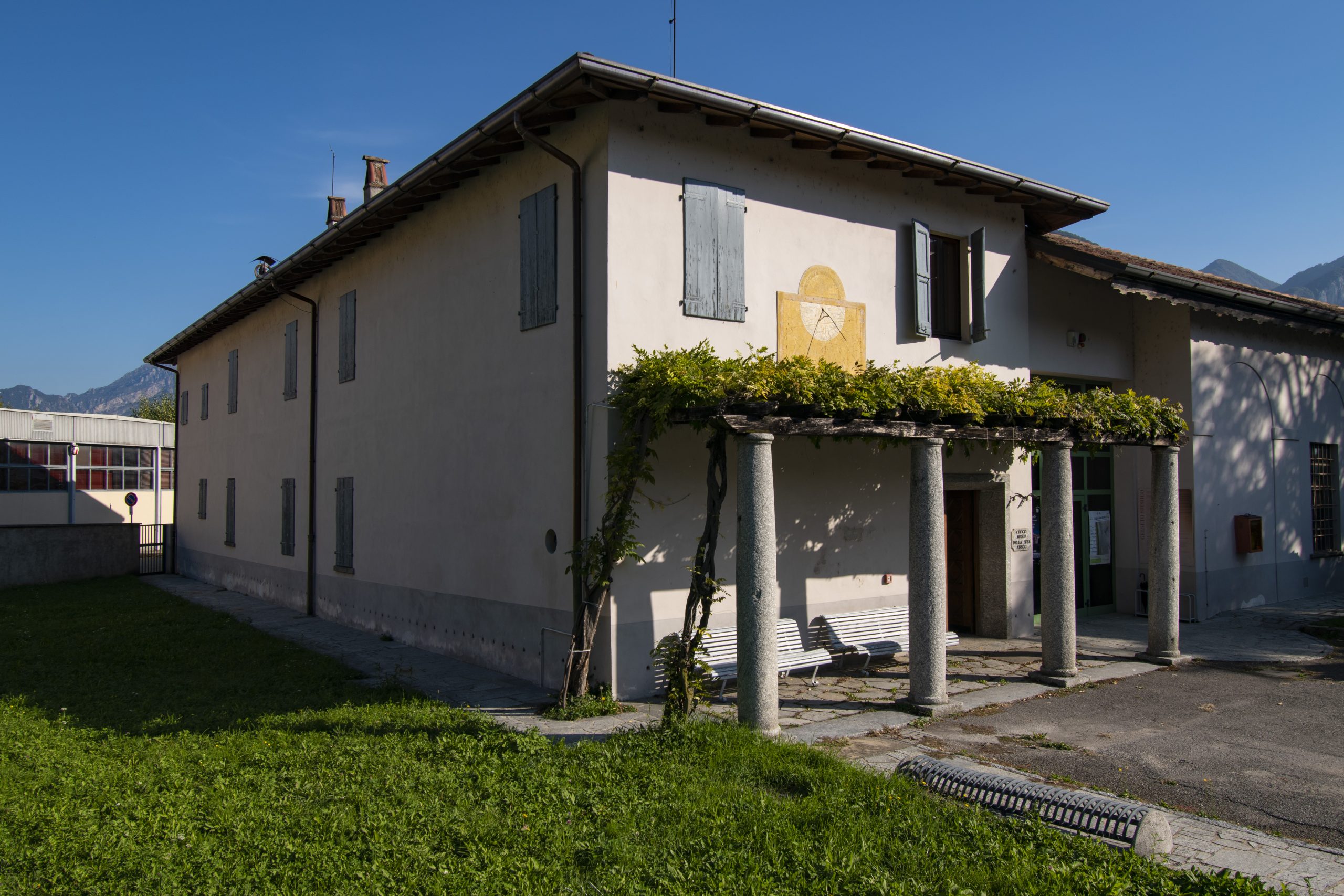
The Abegg Civic Silk Museum in Garlate: one of the oldest and most prestigious museums in the Lecco area
The development of the town of Garlate is inextricably linked to silk production. Since the 18th century, this small lakeside town has been a hub of Lombardy’s silk industry thanks to the silk mill run by the Gnecchi family. In 1887, when the Gnecchi family decided to abandon production to focus on the silk trade, they were succeeded by the Abeggs, Swiss entrepreneurs who would leave their mark on the history of the Lombard textile industry and beyond.
Under their leadership, the Garlate silk mill experienced significant growth until the outbreak of World War I. The conflict, combined with the 1929 economic crisis and the introduction of synthetic fibers, led to the decline of the entire sector: the Garlate silk mill was first turned into a canning factory, and when even this attempt at reconversion failed to yield the desired results, Carl Jobb, director of the Abegg family’s Italian companies, began the intensive work of collecting and preserving the abandoned machinery to create a museum.
The Abegg Silk Museum opened to the public in 1953, the same year the Milan Museum of Science and Technology was founded, thus becoming one of the oldest and most significant museums in the Lecco area. Today, the factory’s halls display industrial machinery, instruments, and tools that illustrate all stages of silk production: from silkworm rearing to spinning, from twisting to preparing the thread for weaving. The museum offers guided tours by reservation, family workshops, and educational activities for schools and groups, keeping alive the connection between the community and its historical identity.
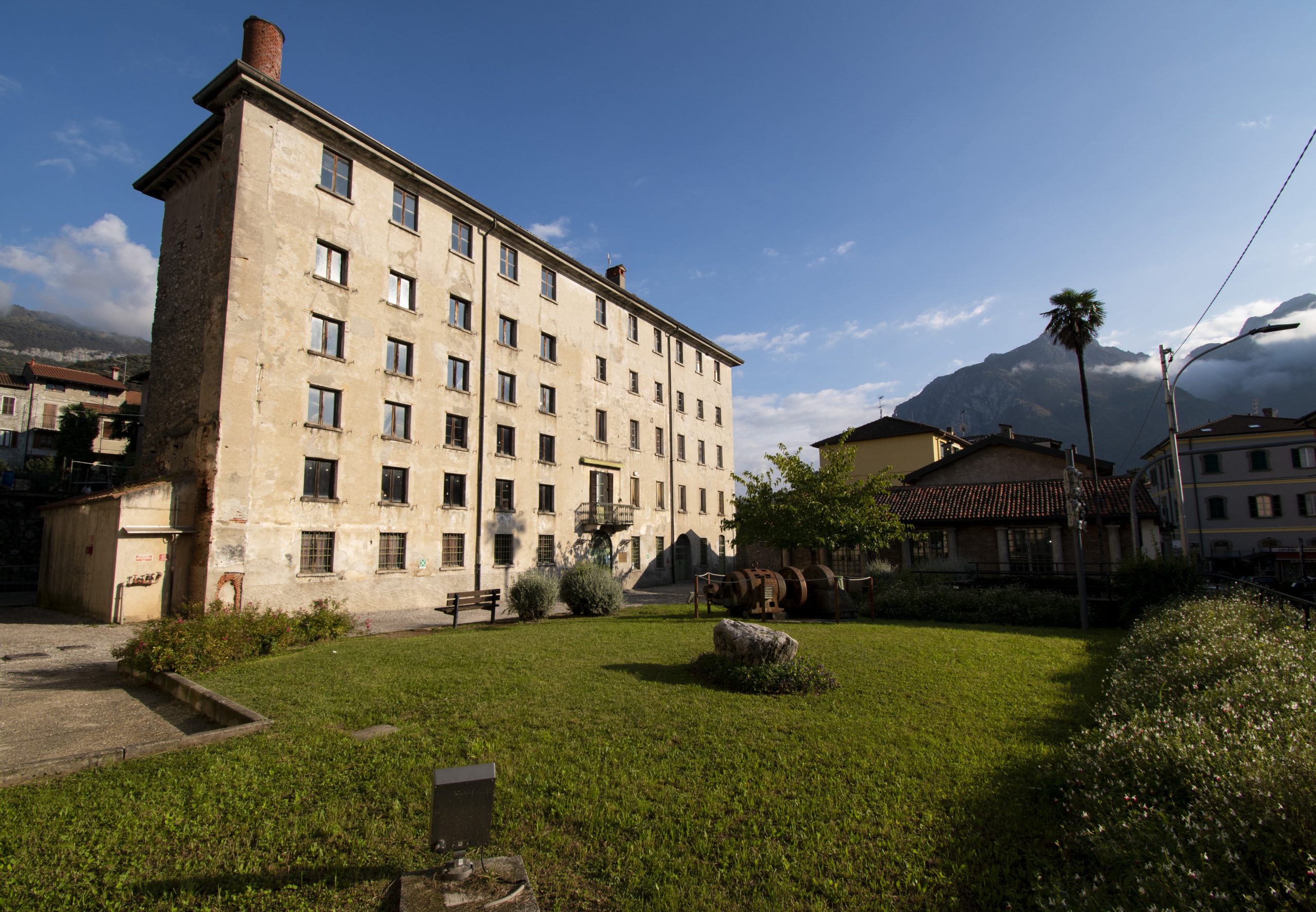
The Monti Civic Silk Museum in Abbadia Lariana: an industrial museum blending history and the lake
In Abbadia Lariana, there is another significant factory that has been restored and converted into a museum: the Monti Civic Silk Museum. The site dates back to the early 19th century: around 1818, the silk manufacturer Pietro Monti, who came from the areas south of Milan, converted a “follo” (a structure for processing woolen cloth, with an attached irrigation ditch and waterwheel) into a silk spinning mill. In 1869, the facility was expanded with the construction of a building for silkworm rearing and the installation of new twisting machines.
Production continued until 1934, after which the facility was shut down. In 1978, the Municipality of Abbadia Lariana purchased the building to begin restoration work on the structures and machinery. Enriched with materials collected from other disused spinning mills, the building was inaugurated in 1998 as the “Civico Museo Setificio Monti.”
One of the main attractions inside is the large circular twisting machine from 1818, which has been restored and put back into use. The site is not just a museum, but a true industrial heritage site: visiting it is an immersive experience that allows you not only to understand the various stages of silk processing, but also to capture the atmosphere of the time, discovering a place that was once populated and experienced daily as a space for work and social interaction.
The building, situated between the lake and the mountains, offers a picturesque setting that makes the visit even more fascinating. The museum is also a learning environment suitable for everyone: families, groups, and schools can participate in tours, activities, and educational workshops. A must-see for anyone wishing to learn not only about the industrial history of the Lake Como region but also to experience firsthand a glimpse of a past era.