








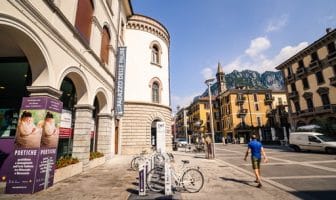
Palazzo delle Paure
The historic custom house revealing the art and vertical soul of Lecco
Within Lecco’s urban fabric, the Caleotto district guards a treasure of inestimable historical value: Villa Manzoni. This Neoclassical residence is not merely an architectural monument, but a place where Italian cultural identity found one of its most profound expressions. Designated a National Monument in 1940, the villa served as the elective home of Alessandro Manzoni’s family for nearly two centuries, hosting the writer during the formative stages of his youth.
The bond between the Manzoni family and Caleotto has deep roots, dating back to 1621 when his ancestor, Giacomo Maria Manzoni, moved from Valsassina to settle in Lecco. From that moment, the residence became the heart of the dynasty, witnessing the birth of Don Pietro, Alessandro’s father, within its walls. The villa’s current appearance is the result of a late 18th and early 19th-century aesthetic vision, influenced by the style of the architect Giuseppe Zanoia, who bestowed upon the complex that Neoclassical rigour which continues to captivate visitors today.
A turning point occurred in 1818, when Alessandro Manzoni decided to sell the property to Giuseppe Scola. The Scola family, mindful of the site’s prestige, was responsible for transforming it into a destination for cultural pilgrimages, meticulously preserving the original rooms and allowing the house’s literary charm to reach the present day intact.
The villa features a restrained façade, embellished with elegant sandstone decorations. Stepping across the threshold, the courtyard of honour welcomes guests with its Serlian arches and stone pillars, while the Chapel of the Assumption, the burial place of Don Pietro Manzoni, stands on the left.
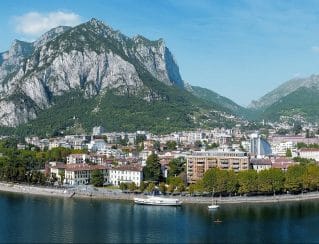
From the rooms on the upper floor, Manzoni’s gaze could wander freely across the profile of Monte Resegone and the shores of the lake. It was precisely these “visual memories,” etched into the author’s mind during his time in Lecco, that provided the imaginative material for the pages of The Betrothed (I promessi sposi). The garden, though reduced in size today, retains the geometric structure typical of “Italian-style” gardens and once served as a prelude to vast expanses of vineyards and mulberry trees.
The ground floor of the residence houses the Civic Manzoni Museum, which was recently renovated to offer a multimedia and immersive experience. The eight exhibition rooms present a tangible narrative, where period furniture, autograph documents, and rare editions of the novel blend to tell the story of the author’s life and thought. This exhibition, considered one of the most visited of its kind in Lombardy, successfully combines the intimacy of a house-museum with the educational role of a literary museum.
On the second floor, the cultural offering is enriched by the Municipal Art Gallery (Galleria Comunale d’Arte). Approximately four hundred works are on display here, ranging from the Lombard school of the 17th and 18th centuries to 19th-century portraits, providing a significant insight into Lecco’s artistic heritage.
To visit Villa Manzoni is to embark on a journey that ideally extends beyond its walls. The Caleotto residence is the essential starting point for the Manzoni Itinerary, a route that traverses the real-life locations that inspired the literary fiction. From the villa, the itinerary weaves through the city, continuing towards the village of Pescarenico and other iconic sites that turn Lecco into an open-air stage for Manzoni’s immortal masterpiece.


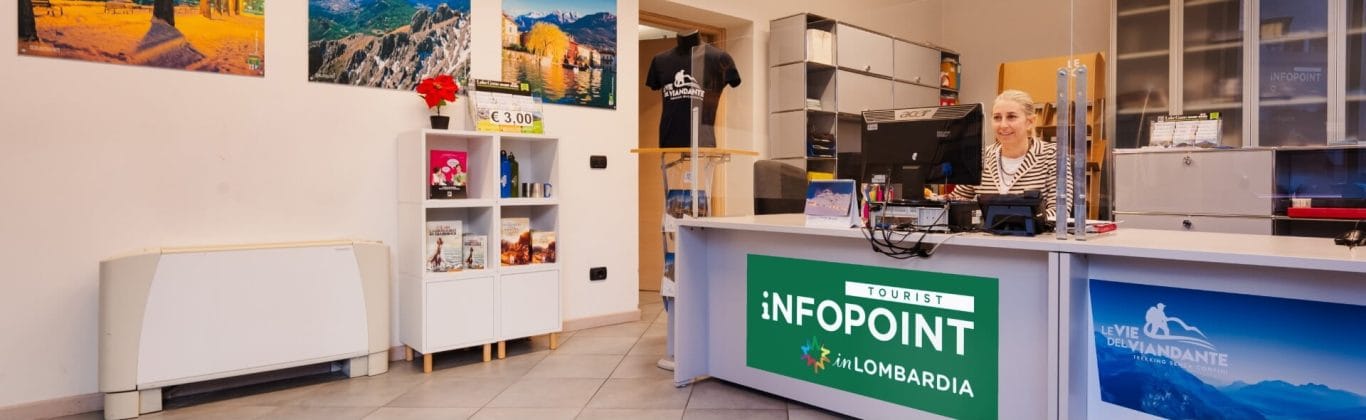
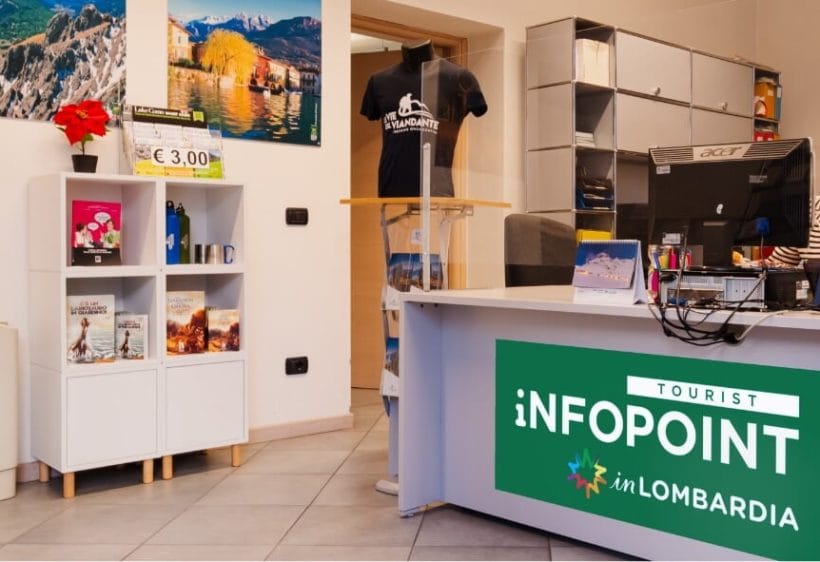
Ask us, we will give you suggestions and directions to enjoy the city and the surrounding area to the fullest.
Contact us