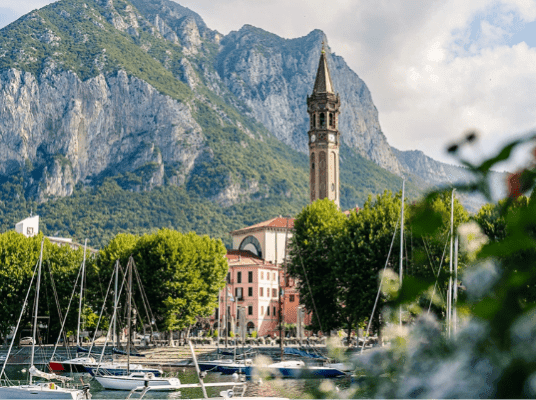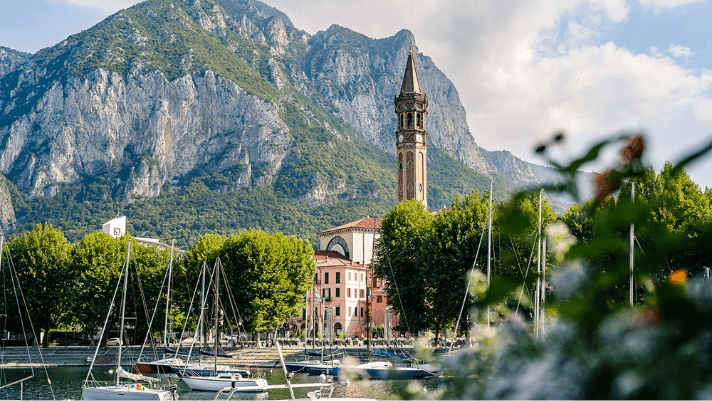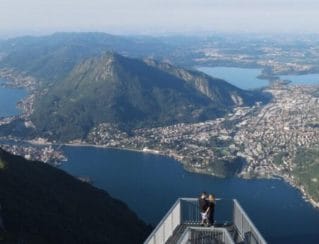

Standing on the shores of the lake that bears its name, Olginate is one of the oldest settlements in the Adda Valley. Its origins can be traced back to Roman times, while by the mid-15th century it had become a border town between Milan and Venice, occupying an important strategic and defensive position. In the 16th century, its church became a parish and was later elevated to a provost church and head of the local ecclesiastical district—a reflection of Olginate’s importance in both religious and political life. As in other Lake Como communities, the silk industry brought wealth, prestige and economic growth. After periods of Spanish and Austrian rule, the town still bears traces of the different eras that shaped it into what it is today—a place rich in history and spirituality.
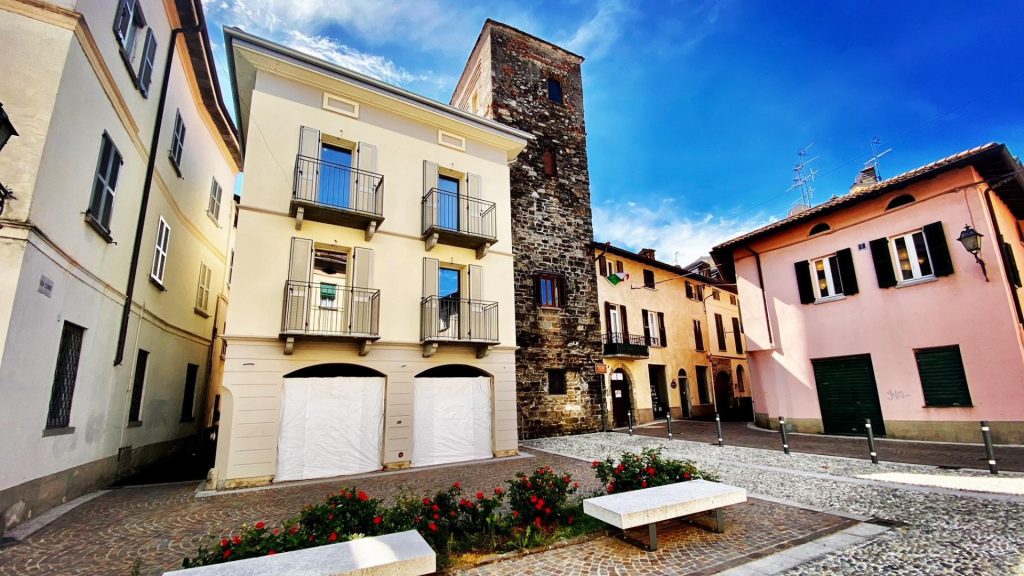
Olginate’s ancient origins can still be seen in the remains of a Roman bridge dating from the 3rd century, later altered and rebuilt during the Middle Ages. One of its arches stands within the private garden of Villa Carmen, so it cannot be accessed directly, but it can be admired from the Martiri della Libertà lakefront promenade. Another medieval landmark is the tower that was transformed in the 17th century into what is now Villa Sirtori, an elegant historic residence close to the lakeside promenade and one of Olginate’s best-known landmarks. Continue along Via Lungo Lago to Piazza Giuseppe Garibaldi, where the picturesque Torre del Porto blends into the surrounding buildings. Once a watchtower on the River Adda, it guarded the frontier between the Duchy of Milan and the Republic of Venice.
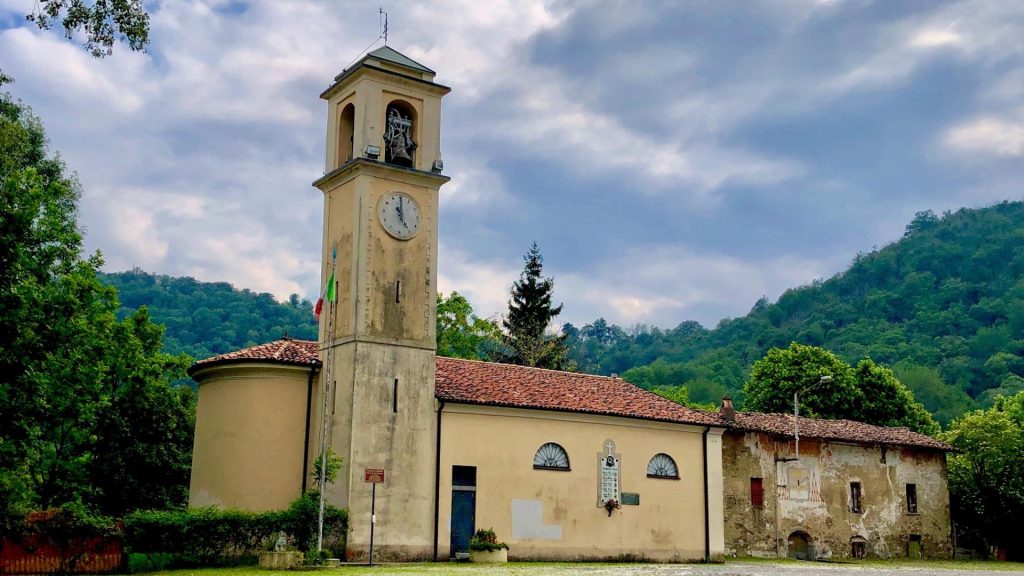
The parish Church of Sant’Agnese is well worth a visit. Established by Cardinal Carlo Borromeo on 15 October 1566, it houses a number of important works of art, including an altarpiece depicting the Martyrdom of Saint Agnes by Casimiro Radice, a painter from nearby Galbiate. Outside, traces of the former cloister can still be seen. In the heart of Olginate’s historic centre stands the Church of San Rocco, with its Baroque architecture and 19th-century façade designed by Giuseppe Bovara. The saint, particularly dear to the local community, is traditionally invoked for protection against disease. In a more secluded setting, you can visit the 12th-century Church of Santa Maria La Vite, together with the remains of the former monastic complex, which was finally closed in 1782. For an unusual excursion to one of Brianza’s most curious locations, head to the Church of San Maurizio in Consonno. Together with the nearby parish house, it is one of the only buildings left from the old village, now a ghost town filled with the remains of a former entertainment resort.
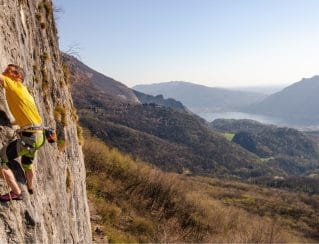
Olginate and its lake lie along the Anello dei Laghi, the “Ring of the Lakes”, a cycling and walking route connecting Lecco, Vercurago, Calolziocorte, Olginate and Garlate. Stretching for 20 kilometres across cycle paths, unpaved tracks and sections of road, the route offers a wonderful way to enjoy the lakeside throughout the year, combining panoramic views, history and literary connections with Alessandro Manzoni. There are also plenty of trails to explore, from gentle panoramic walks to more demanding hikes, including the wooded ridge leading towards Mount San Genesio and Mount Crocione, and the historic route that climbs from the centre of Olginate to Consonno.




Ask us, we will give you suggestions and directions to enjoy the city and the surrounding area to the fullest.
Contact us